
Is a blow dryer brush better than traditional styling brushes for fast blowouts?
Getting a quick blowout seems easy at first. However, things get tricky when you deal with wet roots, thick hair, frizz, and a tight morning schedule. A blow dryer brush puts airflow and brushing into a single tool. In contrast, a traditional styling brush needs a separate dryer. It also requires careful hand movements. This key difference certainly saves time. Still, it does not mean one tool works perfectly for everyone. Your best option relies on your hair density, texture, and the final look you want. It also depends on how much control you need. Current styling-tool trends show a shift toward multifunctional designs. People want lighter tools and better heat protection. They also look for products that improve scalp and hair comfort.
What makes a blow dryer brush faster?
The biggest benefit is easy coordination. You do not have to hold a dryer in one hand and a brush in the other. Instead, you just guide a single heated airflow tool through a section of hair. This simple action cuts down the learning curve for everyday users. It also makes a smooth, rounded look much easier to achieve every time. Buyers clearly want multifunctional and health-focused styling tools. They desire great results without dealing with extra steps.
One-hand styling reduces the learning curve
A standard blowout takes good timing. You must keep the dryer moving constantly. At the same time, the brush has to create tension, lift the roots, and curl the ends. A blow dryer brush combines all these steps into one motion. For medium-length hair, this tool works very well. It helps build volume at the crown. It also creates a gentle bend at the ends. You can easily get a neat shape before heading to work or taking a trip. The final look might not match a professional salon blowout right away. However, the whole process feels much less intimidating for beginners.
Speed depends on the starting point
No brush can safely dry soaking-wet hair in just a few quick passes. You should always towel-dry your hair first. Next, divide it into small, manageable sections. Start styling when the hair is slightly damp instead of dripping wet. Very thick or curly hair might still require a regular dryer first. This helps remove the extra moisture. On the other hand, fine hair usually dries fast. Still, it might fall flat if you hold the tool at the roots for too long. Therefore, your styling speed relies on several factors. These include airflow strength, section size, hair condition, and your personal technique.
Where traditional styling brushes still win
A traditional brush offers the user much more freedom. You can easily adjust the airflow, temperature, tension, and direction on your own. This level of control becomes very important for specific styles. It matters most when you want an exact shape instead of a fast daily look. Furthermore, you can quickly swap your tools. You might use a vented brush for rapid drying. Then, you can grab a round brush for extra lift. Finally, a paddle brush creates a very straight surface. This step-by-step method takes a bit more time. Even so, it rewards your practice and allows for highly detailed styling.
More control for detailed finishes
Using a separate dryer and a round brush gives you great precision. You can point the air directly down the hair cuticle. You can also change your angle right at the roots. This lets you shape a tiny area without heating the entire section again. This specific method works perfectly for styling bangs or short layers. It is also great for strong root lift or tight curls at the ends. Additionally, professionals can easily change the distance between the heat source and the hair. This feature proves highly useful for fragile, colored, or already dry hair.
A better choice for varied hair textures
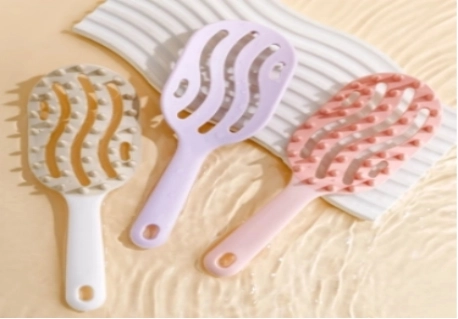
A single hot air brush might seem too bulky for very short hair. It can also feel too slow for extremely thick hair. Traditional tools match these specific tasks much better. For instance, a wide-tooth comb easily separates wet, curly hair. A fine-tooth smoothing comb helps tame annoying flyaways after drying. An air cushion brush provides gentle detangling. It also improves scalp comfort between your regular wash days. However, it cannot replace a proper heated blowout tool.
How to choose the right tool for your routine
The strongest choice is the one that fits your real routine, not the one with the longest feature list. Consider how often you style, how much time you have, and whether you need a smooth finish, loose volume, or simple detangling. Buyers should also check weight, handle balance, heat settings, airflow, cleaning access, and the instructions for their hair type.
- Choose a blow dryer brush if you want one-step drying and styling, have medium-length hair, or value a repeatable home routine.
- Choose traditional styling brushes if you need precise shaping, work with several textures, or already have a reliable dryer.
- Choose a vented brush when faster moisture removal matters more than a highly polished finish.
- Choose a round brush when root lift, bends, and controlled volume are your main goals.
- Choose a scalp cushion or massage style for gentle grooming, not for replacing a blowout brush.
Heat, hair health, and the latest buyer priorities
The current market is moving toward tools that do more while treating hair more carefully. That includes adjustable heat, balanced weight, efficient airflow, repairable or durable construction, and designs that support a wider range of routines. Still, “hair-friendly” does not mean damage-proof. Excess heat, repeated passes, and pulling through knots can weaken the hair surface. Use a heat protectant, keep the tool moving, and stop when the hair is dry and shaped.
Use the brush without overworking the hair
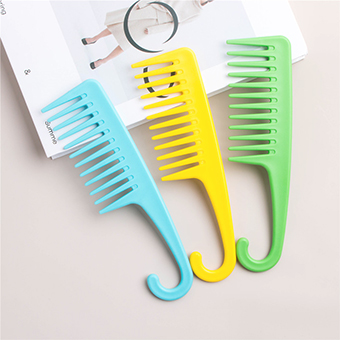
Start with the lowest setting that can do the job. Work in sections, keep tension moderate, and avoid trapping a strand against a hot surface for too long. If the hair feels rough, hot, or brittle, pause and let it cool. For wet detangling, a comb for shampoo or shampoo brush is designed for a different stage of care: cleansing and scalp contact rather than heat styling.
Think beyond the tool itself
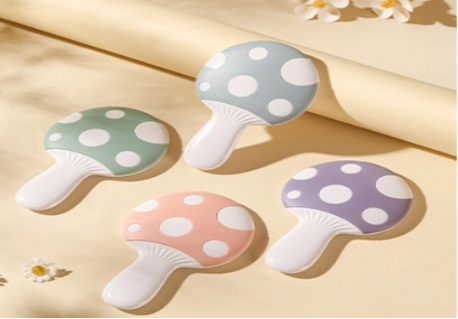
The brush shape, pin spacing, cushion, and handle can change the experience as much as the motor or heater. Rounded teeth help reduce snagging. A resilient scalp cushion can make daily brushing more comfortable. A compact waffle mirror can support touch-ups on the move. These supporting products show how a complete hair-care range can serve different moments instead of forcing one brush to do everything.
Why product design and sourcing matter for buyers
For salons, store owners, and private-label sellers, the issue goes beyond just pleasing one user with a single blowout brush. Business buyers demand solid materials and steady quality. They also want practical packaging. Furthermore, they require a full product line. This line must handle styling, detangling, washing, and travel needs. Here at SUDICOMB, we create combs, brushes, and mirrors. We also make other daily-use hair items. Clients can customize the look, color, shape, logo, and boxes. Our catalog features smoothing combs and air cushion designs. We also offer shampoo brushes and massage-focused items to suit various global markets.
As a premium massage comb manufacturer, we actively support OEM massage comb projects. We also handle wider OEM/ODM development. A client can easily provide a drawing or a physical sample. They might share specific sizes, color choices, packaging needs, or intended uses. After that, we proceed to the quote stage. We then handle sampling and confirm the exact specs. Next comes mass production, strict quality checks, final inspection, and delivery. The complete SUDICOMB ordering process helps corporate buyers organize new product launches smoothly. This approach greatly reduces unexpected problems.
Kesimpulan
A blow dryer brush usually works better for quick, consistent home styling. It merges drying and brushing into a single step. On the other hand, classic styling brushes stay superior for specific tasks. They offer precise control and flexible options. They also help create a very custom finish. Honestly, no single choice is always the winner. You should pair the tool with the user’s hair length and thickness. Consider the hair texture, styling aim, and heat limit too. Always apply a gentle touch. Start styling on damp hair instead of soaking-wet strands. Also, view scalp-care items like an air cushion brush or a shampoo brush as helpful add-ons. For consumer brands and retail shops, a smart product lineup handles both fast styling and basic daily hair care.
Pertanyaan yang Sering Diajukan (FAQ)
Q: Is a blow dryer brush better than a traditional styling brush?
A: A blow dryer brush is faster for simple home blowouts; a traditional brush offers more control for detailed styling.
Q: Can I use a blow dryer brush on soaking-wet hair?
A: No. Towel-dry first and begin when hair is damp, not dripping.
Q: Which brush helps with scalp comfort?
A: An air cushion brush or scalp cushion can support gentle detangling and massage during daily grooming.
Sebelumnya : What is the best brush for curly hair when aiming to reduce frizz and breakage?
Berikutnya : Is a Scalp Brush More Effective Than Fingers for Deep Scalp Cleansing Routines?