

What Makes Comb OEM Manufacturing Ideal for Private Label Hair Tools?
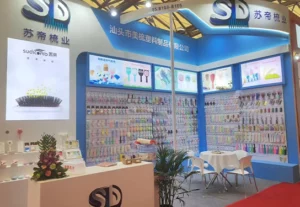
Private label hair tools now form an important growth area for beauty brands, online sellers, wholesalers, salons, and travel retailers. A comb or brush has developed beyond a basic daily item. Today, consumers look for hair tools that feel comfortable in use, appear attractive, and align well with their personal style.
For buyers who wish to introduce branded hair tools without setting up their own factory, comb OEM manufacturing provides a practical solution. It enables brands to develop custom combs, brushes, scalp massage tools, and packaging under their own label. They achieve this by partnering with an experienced production specialist.
This approach matches the present hair care market closely. Buyers require flexible customization options, consistent quality standards, safe materials, and quicker product introductions. At the same time, consumers show greater interest in scalp care, eco-friendly materials, travel-friendly designs, and functional beauty tools. A dependable comb OEM and hair brush supplier can convert these expectations into marketable products.
What Comb OEM Manufacturing Means for Private Label Buyers
Comb OEM manufacturing involves a factory that produces hair tools according to a buyer’s brand requirements, design specifications, packaging plans, and target market conditions. Buyers avoid starting production from the beginning. Instead, they collaborate with a custom comb manufacturer that already operates established equipment, molds, skilled workers, material sourcing networks, and quality control systems.
A capable OEM partner can provide support in several areas. These include product shape and size planning. Material selection covers options such as ABS, PP, PS, TPE, TPR, or bamboo. Custom colors and surface finishes receive attention. Logo printing, hot stamping, embossing, or engraving add brand identity. Retail, gift, or e-commerce packaging completes the offering. Sample making and mass production follow established procedures. Inspection and shipment preparation support reliable delivery.
This model proves especially useful for private label hair tools. Buyers can direct their efforts toward sales activities, brand positioning, and customer requirements. The factory manages the technical aspects of production.
Key Benefits of OEM Hair Tool Production
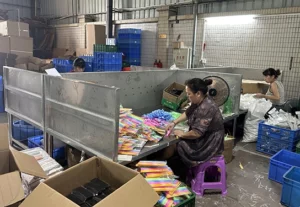
OEM delivers more than cost savings in production. Its primary value lies in the combination of speed, flexibility, product control, and reduced development risk. These elements hold particular importance for buyers who need reliable supply and clear product differentiation.
Faster Product Launch
Beauty trends change rapidly. A scalp massage brush, travel comb, or air cushion hairbrush can gain quick popularity through online marketplaces, salon applications, or seasonal promotions. OEM manufacturing supports faster launches. Many production steps already exist in the partner’s operations.
A buyer may begin with an existing model and then modify the color, logo, packaging, or material. For more extensive customization, the buyer can request changes to structure or request new mold development. This process creates a distinct branded appearance while maintaining production efficiency.
Better Product Positioning
Private label hair tools must suit the intended end user. A salon brush needs to convey a professional feel. A supermarket comb should remain cost-effective. A travel grooming set benefits from compact size and easy portability.
OEM allows buyers to develop products for varied markets. Daily plastic combs suit mass retail environments. Air cushion hairbrushes fit premium home care segments. Scalp massage brushes address shower routines. Folding combs serve travel and gift purposes. Brush-and-mirror sets work well in beauty bundles.
At SUDICOMB, the company supplies shampoo brushes, hair smoothing combs, air cushion hairbrushes, scalp massage brushes, folding combs, and dressing mirrors. These products accommodate custom colors, logos, materials, and packaging to meet different buyer requirements.
Product Categories Suitable for Private Label Hair Tools
Selection of the appropriate product category holds importance. Each hair tool serves a specific market role. Buyers should align product type with the sales channel, price level, and target customer profile.
Daily Plastic Hair Combs
Daily plastic combs remain simple, practical, and well suited to high-volume orders.
Key selling points include fine-tooth and wide-tooth options. Smooth, rounded teeth help reduce discomfort. Lightweight bodies improve handling. Custom colors and sizes offer variety.
These combs often serve as suitable entry-level products for private label buyers. They generate repeat demand and appeal to a broad customer base.
Air Cushion Hairbrushes
Air cushion hairbrushes appeal to buyers who seek functional and higher-value items. These tools combine detangling performance, scalp comfort, and daily grooming in a single product. They suit salons, online stores, home care lines, and gift boxes.
An air cushion hairbrush manufacturer can assist with adjustments to cushion softness, bristle type, body shape, color finish, logo position, and packaging style. At SUDICOMB, the air cushion hairbrush products focus on comfort, daily durability, and compatibility with different hair types.
Scalp Massage Brushes and Shampoo Brushes
Scalp care represents a prominent trend in hair care. Consumers now look for tools that assist in cleaning the scalp, distributing shampoo evenly, and delivering a gentle massage sensation during shower routines.
Scalp massage brush OEM projects fit brands that sell shower accessories, hair care products, self-care tools, travel beauty items, gift sets, and online beauty bundles. In this category, buyers should consider soft touch properties, grip comfort, water resistance, drainage features, and ease of cleaning.
How Customization Builds Brand Value
Private label products need to create a sense of distinction. This outcome does not always demand complex design changes. Small details can establish a recognizable brand image.
Buyers can customize several elements. Color selections include pastel, transparent, neutral, or bold shades. Material choices cover ABS, PP, TPE, TPR, PS, PA66, or bamboo. Surface finishes range from matte and glossy to plated or textured. Logo processes include printing, embossing, or engraving. Packaging options consist of OPP bags, color boxes, PVC boxes, or gift sets. Product bundles may combine a comb with a mirror or a brush with a scalp massager.
A well-developed private label product maintains consistency from the tool itself to its packaging. This coherence helps customers recall the brand and improves sell-through performance in online and store environments.
Quality Control and Safe Materials Matter
Private label buyers must safeguard their brand reputation. Issues such as burrs on comb teeth, loss of shape in a cushion brush, fading logos, or damaged packaging can harm customer perception. The brand receives the blame in such cases. For this reason, quality control remains central in comb OEM manufacturing.
A professional OEM hair brush supplier performs checks on raw materials, color consistency, surface finish quality, logo printing accuracy, packaging integrity, finished products, and shipment readiness. Hair tools come into contact with the scalp, hair, and skin. Materials should be safe, low-odor, and suitable for export markets.
At SUDICOMB, production oversight extends from raw material selection through to finished shipment. The company selects safe, eco-friendly materials and provides inspection reports together with compliance documents for export buyers.
Choosing the Right OEM Partner
The appropriate OEM partner helps buyers establish stable private label hair tools with reduced delays and fewer quality issues. Before order placement, buyers should evaluate the partner’s experience, product range, customization capabilities, production capacity, and communication procedures.
A broader product range offers buyers greater flexibility to build complete collections. These collections can extend from daily combs to scalp brushes and mirrors. A transparent order process supports effective planning across inquiry, quotation, sampling, production, inspection, shipment, and after-sales support.
A practical private label collection might contain one daily comb for entry-level buyers. One air cushion brush can target higher value segments. One scalp massage brush addresses scalp care demand. One folding comb serves travel use. One gift set fits seasonal promotions.
This structure supplies a brand with multiple price points. At the same time, it keeps the overall product story clear and consistent.
Conclusion
Comb OEM manufacturing suits private label hair tools well. It supplies buyers with speed, flexibility, product control, and stable supply. These advantages appear without the expense of constructing a factory. The model supports custom colors, logos, materials, packaging, structure modifications, and complete product collections. As scalp care, personalization, portable grooming, and eco-friendly comb manufacturing continue to influence the market, private label brands can produce items that feel practical and well timed. When paired with the right OEM hair brush supplier, a comb or brush evolves beyond an ordinary daily tool. It develops into a branded product that strengthens customer recognition and supports repeat sales potential.
FAQs
Q:What is comb OEM manufacturing?
A:Comb OEM manufacturing means producing custom combs or brushes under a buyer’s private label.
Q:Can private label hair tools use custom packaging?
A:Yes. Color boxes, hang tags, PVC boxes, OPP bags, and gift sets can be customized.
Q:What products work best for scalp massage brush OEM?
A:Shampoo brushes, soft scalp massagers, and shower-use brushes work well for private label projects.
Previous : What Defines a Premium Hairbrush in Hair Tool Manufacturing?
Next : Is a Pocket Comb the Most Convenient Option for On-the-Go Styling?


